
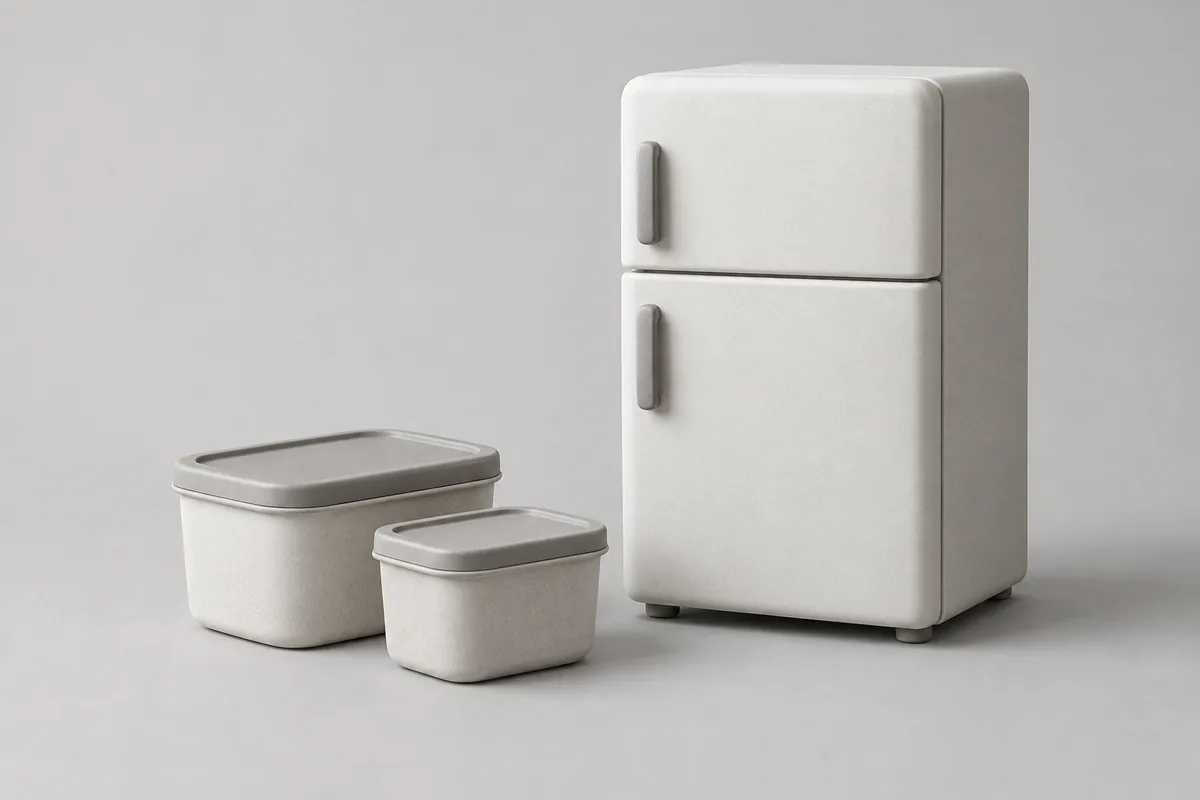
Check how long the food was at room temperature
When putting away leftovers, first check time at room temperature rather than quantity. Include time spent on the table after cooking and during the journey home with takeout. Putting food in the fridge now does not erase the time it spent outside earlier.
The U.S. FDA’s household guidance says to refrigerate or freeze leftovers that need chilling within 2 hours. When the outside temperature exceeds 90°F, approximately 32.2°C, that limit falls to 1 hour. This is prevention guidance from a U.S. agency, not a rule setting an identical use-by period for all foods in South Korea. [1]
Treat these limits as a reason to put food away promptly after a meal, rather than permission to wait. If you do not know when the food was left out or doubt its storage conditions, do not taste a bite to test it. The FDA also advises discarding food when its condition is uncertain. [1]
Divide food into shallow containers instead of a large pot
A large pot filled with soup or stew takes a long time to cool in the middle. The U.S. USDA advises dividing leftovers among several shallow containers to cool them quickly. It also describes dividing large pieces, such as meat, into smaller portions. [2]
Do not wait for hours at room temperature until food is completely cool. The USDA says hot food can go straight into the refrigerator or be cooled rapidly in an ice-water or cold-water bath before refrigeration. The key is reducing portions for cooling rather than putting one large, hot pot in unchanged. [2]
Prepare containers first and divide the food into portions for future meals. Keeping tomorrow’s portion separate from food for later makes organization easier. Use clean containers and lids for cooked food, and check whether they are intended for refrigeration or freezing.
Use covers or sealed containers to protect stored food from contamination. The USDA advises covering or wrapping leftovers and promptly refrigerating or freezing them. For a large quantity, consider shallow portions rather than filling a deep container. [2]
Distinguish the fridge setting from the actual temperature
South Korea’s Food Safety Korea cooking and storage guide, available in Korean, advises keeping food at 5°C or below, or at 60°C or above, to help prevent foodborne illness. Its general direction is to keep refrigerated food cold and avoid leaving it lukewarm for a long time. [4]
The U.S. FDA advises keeping a household refrigerator at 40°F or below, approximately 4.4°C or below, and checking with an appliance thermometer. Do not assume the number set on the refrigerator’s display is the actual temperature around the food. [1]
Do not pack containers so tightly that cold air cannot circulate. Keep raw foods such as uncooked meat separate from cooked food, and prevent meat juices from dripping onto leftovers. The FDA’s fridge-care guidance says to wipe up spilled broth or meat juices immediately. [1]
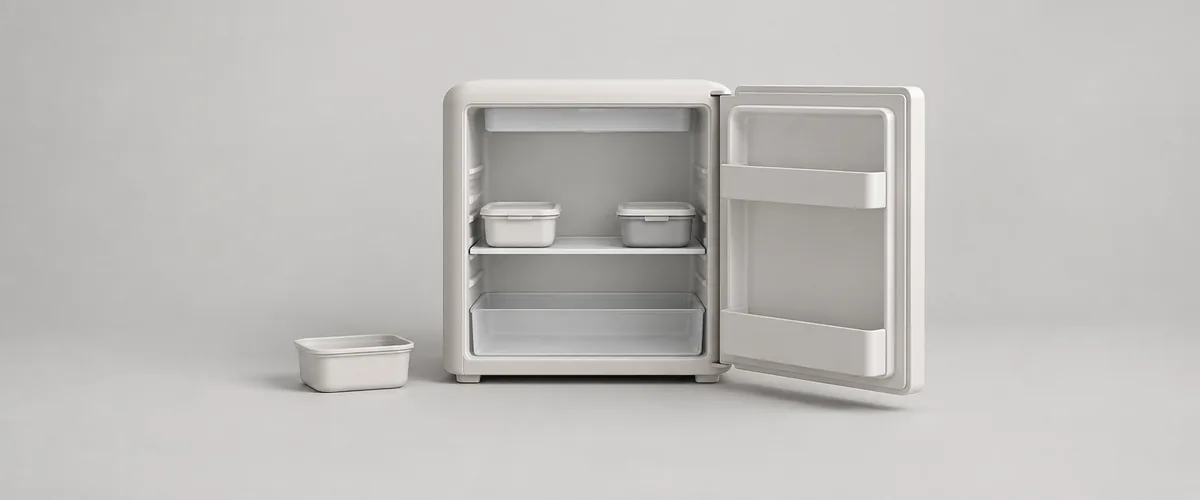
Label the food and the date it was cooked
Label containers with the food name and cooking date and time. For delivered food, also note when it arrived and when you refrigerated it. Recording only the date it went into the fridge could make yesterday’s food seem as though it was cooked today.
The U.S. FoodSafety.gov household storage chart lists 3–4 days under refrigeration for soups and stews containing vegetables or meat, and for leftover cooked meat or poultry. The chart requires 40°F or below, shown in that document as approximately 4°C. This is not a guaranteed period for every side dish. [3]
Do not use that one number for raw meat, opened packaged foods, kimchi, or baby food. The same chart gives different periods depending on food type and condition. Follow packaged products’ storage and after-opening instructions, and distinguish them from ordinary leftovers. [3]
If you do not plan to eat the food soon, check the chart’s freezing guidance for that food too. FoodSafety.gov describes freezer time limits as quality guidance. Do not interpret periods concerning the taste and condition of long-frozen food as safety periods for refrigerated food. [3]
Heat the center thoroughly and reassess storage conditions
Before reheating, take out the portion you intend to eat and check that the container is suitable for heating. The USDA advises using a food thermometer to confirm that leftovers reach an internal temperature of 165°F, approximately 74°C. It says to bring broths, soups, and sauces to a boil when reheating. [2]
A microwave may heat only some areas thoroughly. Following USDA guidance, arrange food evenly, cover it while heating, and check the temperature in several places. Make sure the lid is microwave-safe and allows steam to escape. Steam on the surface does not prove that the center is hot enough. [2]
A familiar smell or taste is not proof of safety. The FDA explains that food can cause illness without a spoiled smell or visible changes. Do not assume reheating solves every problem if food spent too long at room temperature or its refrigeration time and temperature are unknown. [1]
Put the food name, cooking date and time, and refrigeration time on the front of the container. Check the fridge thermometer too. Position similar containers so their dates are visible, and do not mix food of uncertain age with newly cooked food. Use the same record to check storage conditions when taking it out for the next meal.